Arborist Pruning in Reno, NV
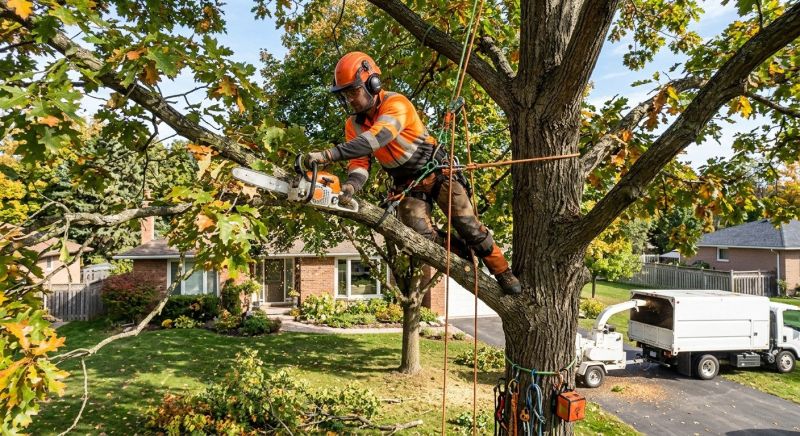
Arborist pruning services involve the careful trimming and shaping of trees to promote healthy growth, improve appearance, and ensure safety on residential properties. This type of work typically includes removing dead or diseased branches, thinning dense canopies, and reducing the size of overgrown trees. Property owners often request pruning to maintain the structural integrity of trees, prevent potential hazards from falling limbs, or enhance the overall landscape aesthetic. Before requesting pruning services, homeowners should consider the specific goals for their trees, such as improving airflow, increasing sunlight exposure, or addressing safety concerns related to branches near structures or power lines.
Understanding the different types of pruning and the timing for each can help property owners make informed decisions. It’s important to communicate the desired outcomes, whether for health, safety, or visual appeal, and to consider the age and species of the trees involved. Proper pruning not only supports the longevity of trees but also contributes to a safer and more attractive property. Clarifying expectations and discussing any concerns about the health or stability of trees can ensure the work meets the specific needs of the landscape.
Many property owners in Reno, NV look into Arborist Pruning for repairs, replacements, upgrades, and appearance-related improvements.
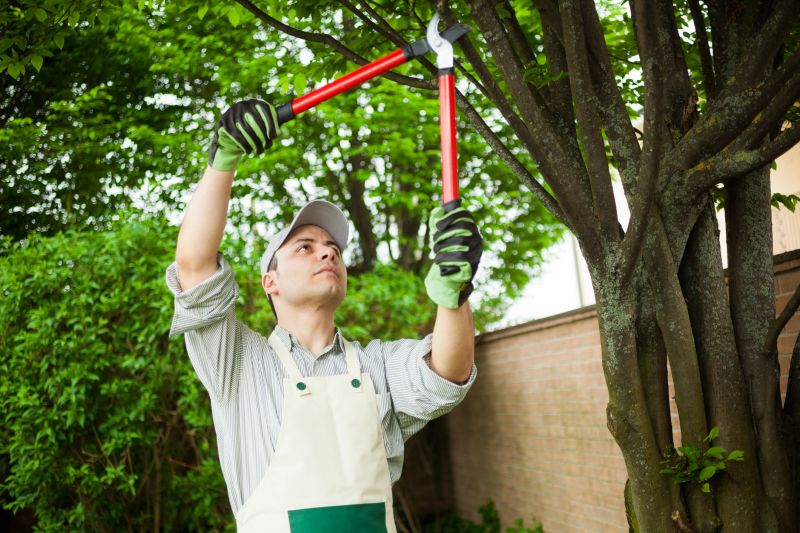
Tree Health And Safety
Pruning helps maintain the health and safety of trees on residential and commercial properties.
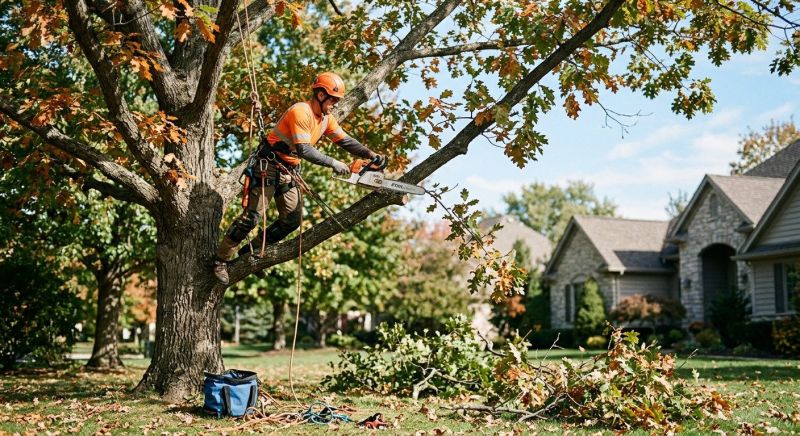
Aesthetic Enhancement
Proper trimming improves the appearance and curb appeal of trees in any landscape.
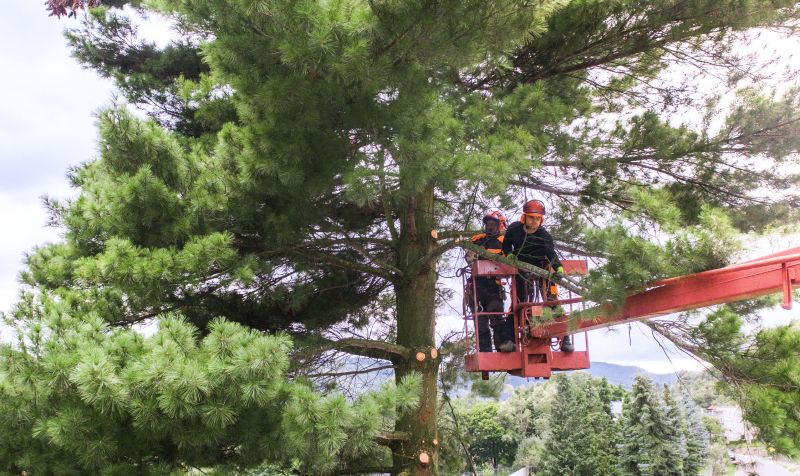
Property Protection
Selective pruning reduces the risk of falling branches and property damage in reno and nearby areas.
Arborist Pruning in Reno, NV
Arborist pruning services involve the careful trimming and shaping of trees to promote healthy growth, improve appearance, and ensure safety on residential properties. This type of work typically includes removing dead or diseased branches, thinning dense canopies, and reducing the size of overgrown trees. Property owners often request pruning to maintain the structural integrity of trees, prevent potential hazards from falling limbs, or enhance the overall landscape aesthetic. Before requesting pruning services, homeowners should consider the specific goals for their trees, such as improving airflow, increasing sunlight exposure, or addressing safety concerns related to branches near structures or power lines.
Understanding the different types of pruning and the timing for each can help property owners make informed decisions. It’s important to communicate the desired outcomes, whether for health, safety, or visual appeal, and to consider the age and species of the trees involved. Proper pruning not only supports the longevity of trees but also contributes to a safer and more attractive property. Clarifying expectations and discussing any concerns about the health or stability of trees can ensure the work meets the specific needs of the landscape.
Many property owners in Reno, NV look into Arborist Pruning for repairs, replacements, upgrades, and appearance-related improvements.
Common Arborist Pruning Jobs
Tree thinning - removes excess branches to improve overall tree health and reduce wind resistance.
Structural pruning - shapes trees to promote strong growth and prevent potential hazards.
Deadwood removal - eliminates dead or diseased branches to enhance safety and tree vitality.
Crown reduction - reduces the height and spread of trees to prevent interference with structures or power lines.
Formative pruning - shapes young trees for proper development and long-term stability.
Storm damage pruning - clears broken or damaged branches after severe weather events to protect property.
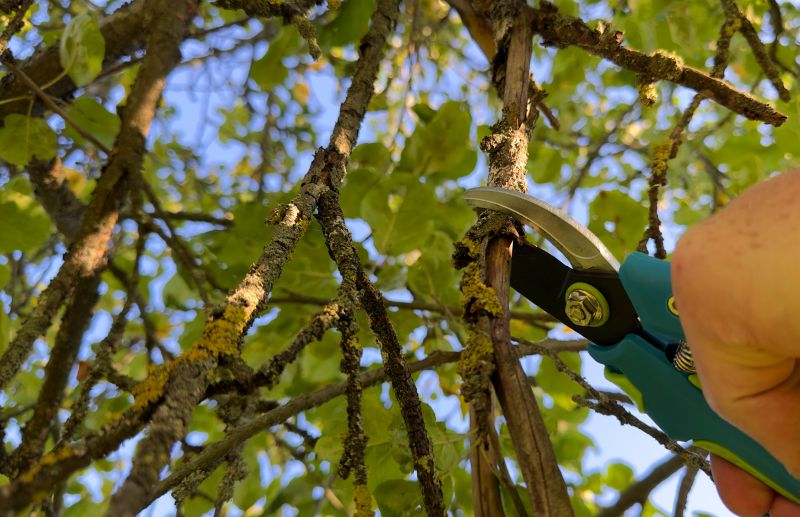
Arborist Pruning Questions
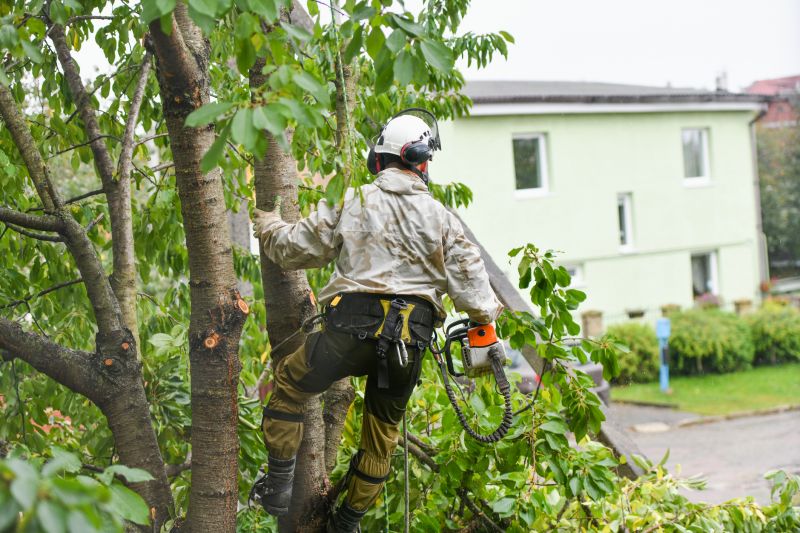
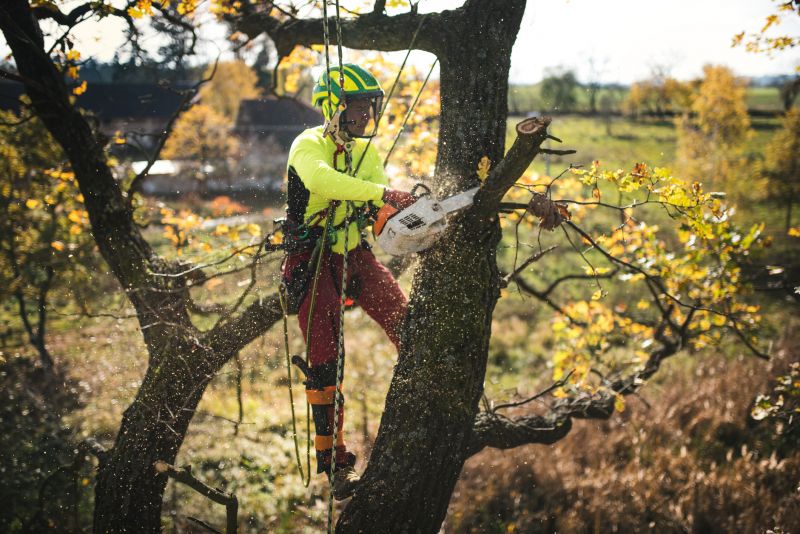
What is arborist pruning? Arborist pruning involves selectively trimming trees to improve health, structure, and appearance.
Why should property owners consider pruning? Proper pruning helps prevent hazards, promotes healthy growth, and maintains the tree’s shape.
What types of trees benefit from pruning? Most deciduous and evergreen trees can benefit, especially those near structures or power lines.
When is the best time for pruning? The optimal time varies by tree type, but generally during dormancy or early spring for healthy growth.
Request Arborist Pruning in Reno, NV
Use the quote form on this page to share the basics of your project and request more information for the type of work you need.