Get Industrial Landscaping Service
Industrial Landscaping Services connect property owners with local contractors who handle site clearing, grading, paving, and other projects to improve safety and functionality.
Industrial landscaping services are essential for property owners seeking to enhance functionality, safety, and appearance of their outdoor spaces. Whether managing large industrial sites, warehouses, or commercial facilities, careful planning and expert execution can support operational efficiency and meet regulatory requirements. Exploring local contractors who specialize in industrial landscaping ensures access to experienced service providers capable of handling the unique demands of these environments.
Comparing options among local contractors can help property owners identify the right fit for their project needs. From site preparation and grading to planting and hardscaping, a range of services are available to improve outdoor spaces for safety, accessibility, and aesthetic appeal. Continuing to explore local service providers can assist in making informed decisions about managing and maintaining industrial landscapes effectively.
- Industrial Landscaping Maintenance - when a facility requires regular upkeep to ensure safety and operational efficiency.
- Commercial Property Landscaping - for businesses seeking to enhance curb appeal and comply with site regulations.
- Industrial Site Clearing - needed before construction or renovation projects to prepare the land properly.
- Hardscape Installation - when creating durable outdoor workspaces or pathways for industrial facilities.
- Landscape Design for Industrial Areas - to develop functional outdoor spaces that meet specific operational needs.
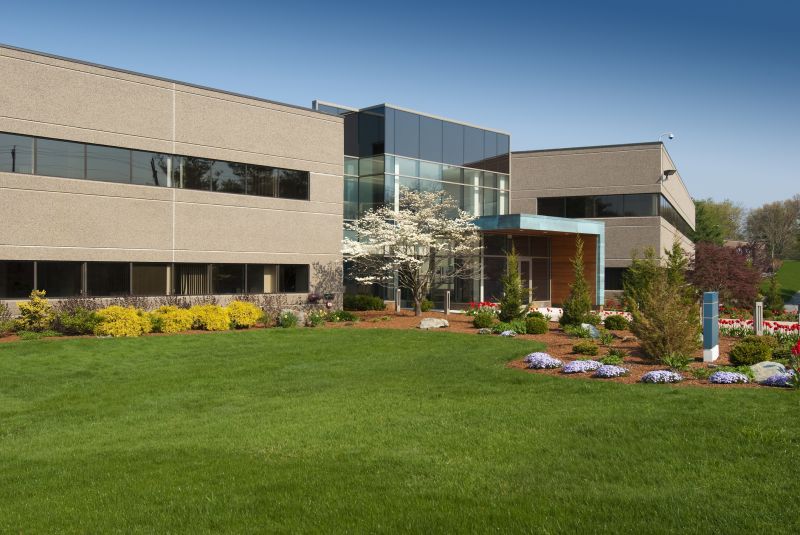
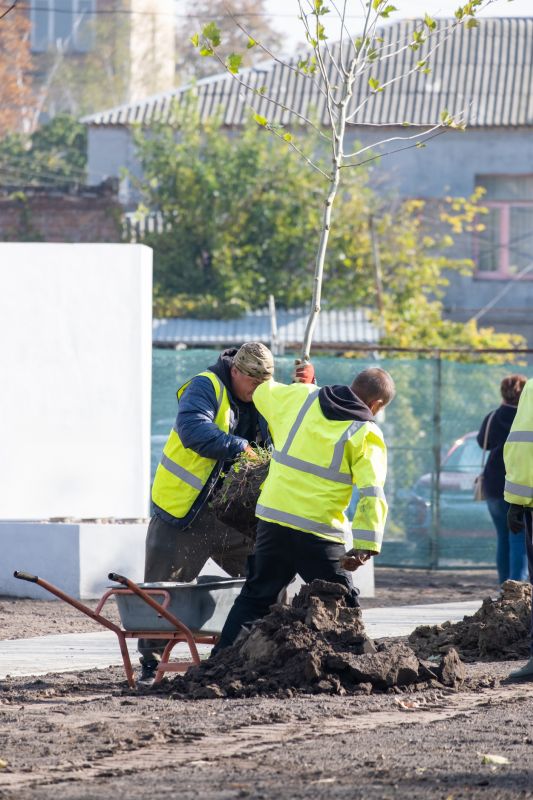
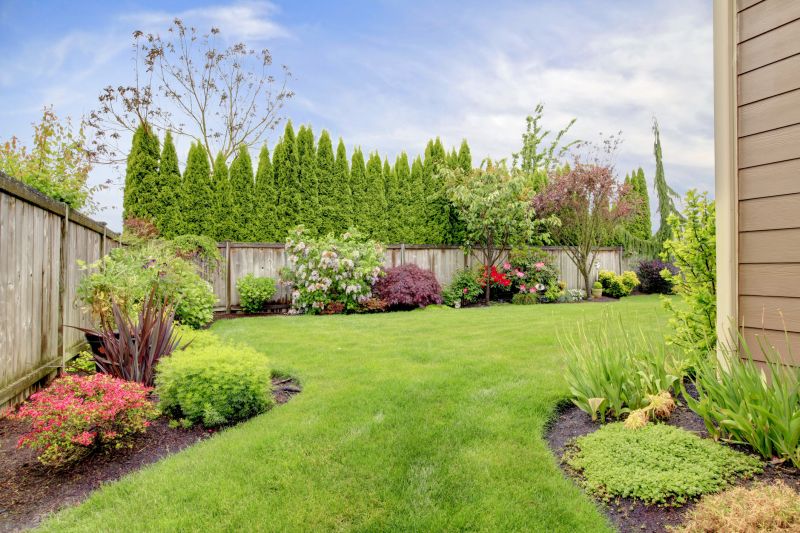
Industrial landscaping services involve the design, installation, and maintenance of outdoor spaces for commercial, industrial, and large-scale properties. These services typically include grading, planting, turf installation, and the creation of functional outdoor features that enhance the property's appearance and usability. Service providers focus on creating landscapes that are durable, low-maintenance, and suitable for heavy use, ensuring the outdoor environment supports the operational needs of the property while maintaining a professional look.
One common problem that industrial landscaping helps address is erosion and drainage issues, which can cause damage to buildings and outdoor infrastructure. Proper grading and the installation of effective drainage systems help prevent water accumulation and soil erosion, protecting the property’s foundation and landscaping investments. Additionally, these services can help manage weed growth, control pests, and improve safety by creating clear pathways and well-maintained outdoor areas, reducing hazards for employees and visitors.
Properties that typically use industrial landscaping services include warehouses, manufacturing plants, distribution centers, office parks, and large commercial complexes. These types of properties often require more extensive outdoor work to meet safety standards, accommodate vehicle traffic, and project a professional image. Industrial landscaping can also be beneficial for properties with outdoor storage areas, loading docks, or outdoor workspaces that need to be functional, safe, and visually appealing.
Homeowners may find industrial landscaping services useful when managing large properties or commercial-style outdoor spaces that require professional attention. If a property has overgrown greenery, drainage problems, or outdoor areas that need to be reshaped for safety or aesthetics, local contractors can provide the expertise needed. These services help ensure outdoor spaces are properly maintained, functional, and aligned with the property's operational requirements.
The overview below groups typical Industrial Landscaping Service projects into broad ranges so you can see how smaller, mid-sized, and larger jobs often compare in your area.
In many markets, a large share of routine jobs stays in the lower and middle ranges, while only a smaller percentage of projects moves into the highest bands when the work is more complex or site conditions are harder than average.
Smaller Repairs - Typical costs for routine landscaping repairs like patching or minor cleanup generally range from $250 to $600. Many projects in this category fall within the middle of this range, with fewer jobs reaching the higher end. Local service providers can handle these smaller jobs efficiently and affordably.
Mid-Size Projects - Larger landscaping tasks such as planting beds or installing new sod often cost between $1,000 and $3,000. Many projects in this range are common, while more complex jobs may push costs higher. Local contractors can provide detailed estimates based on the scope of work.
Complete Landscaping Installations - Full-scale landscaping services, including design, grading, and planting, typically range from $3,500 to $10,000+. These larger projects are less frequent but are a common choice for property upgrades. Local pros can help plan and execute these comprehensive jobs.
Full Replacement or Major Overhaul - Extensive landscaping overhauls, such as complete site redesigns, can exceed $15,000 and may reach $25,000+ for very large or complex projects. These are less common but are essential for significant property transformations. Local service providers can assist with planning and execution of these major projects.
Actual totals will depend on details like access to the work area, the scope of the project, and the materials selected, so use these as general starting points rather than exact figures.
Industrial Grounds Maintenance - local contractors who perform large-scale grounds upkeep often use similar landscaping skills and equipment for managing expansive industrial properties.
Commercial Property Landscaping - service providers experienced in designing and maintaining outdoor spaces for commercial sites share planning and landscaping techniques with industrial landscaping projects.
Construction Site Clearing - professionals involved in site preparation and clearing utilize similar tools and planning methods as those used in industrial landscape installation.
Industrial Park Development - contractors working on developing industrial parks require expertise in site layout, grading, and planting, aligning with industrial landscaping services.
Utility Corridor Vegetation Management - specialists managing vegetation along utility lines employ planning and equipment comparable to industrial landscaping tasks.
Warehouse Exterior Enhancement - local service providers who improve warehouse surroundings with paving, planting, and lighting share skills applicable to industrial landscaping projects.
When comparing local contractors for industrial landscaping services, it’s important to consider their experience with similar projects. A contractor’s track record in handling projects comparable in scope and complexity can provide insight into their capability to meet specific needs. Homeowners should inquire about the types of industrial landscapes they have worked on and seek details that demonstrate their familiarity with the unique challenges such projects may present. This helps ensure that the selected service provider has relevant expertise to deliver quality results.
Clear, written expectations are a crucial aspect of choosing the right service provider. Homeowners are encouraged to request detailed proposals or scope of work documents that outline the services to be provided, materials to be used, and any relevant project specifications. Having these expectations documented helps prevent misunderstandings and provides a basis for evaluating whether the contractor’s approach aligns with the project’s goals. A professional contractor will be transparent about their process and willing to clarify any aspects of the work before commitments are made.
Reputable references and effective communication are essential when assessing potential service providers. Homeowners should ask for references from previous clients with similar projects to gauge the contractor’s reliability and quality of work. Additionally, observing how promptly and clearly the contractor communicates during initial interactions can offer clues about their responsiveness and professionalism. Since the site introduces homeowners to local options rather than performing the work itself, taking the time to gather this information helps ensure that the chosen service provider is trustworthy, communicative, and capable of delivering satisfactory results.
Property owners use Industrial Landscaping Service services for practical projects around their homes and businesses. This guide focuses on everyday jobs and straightforward project options.

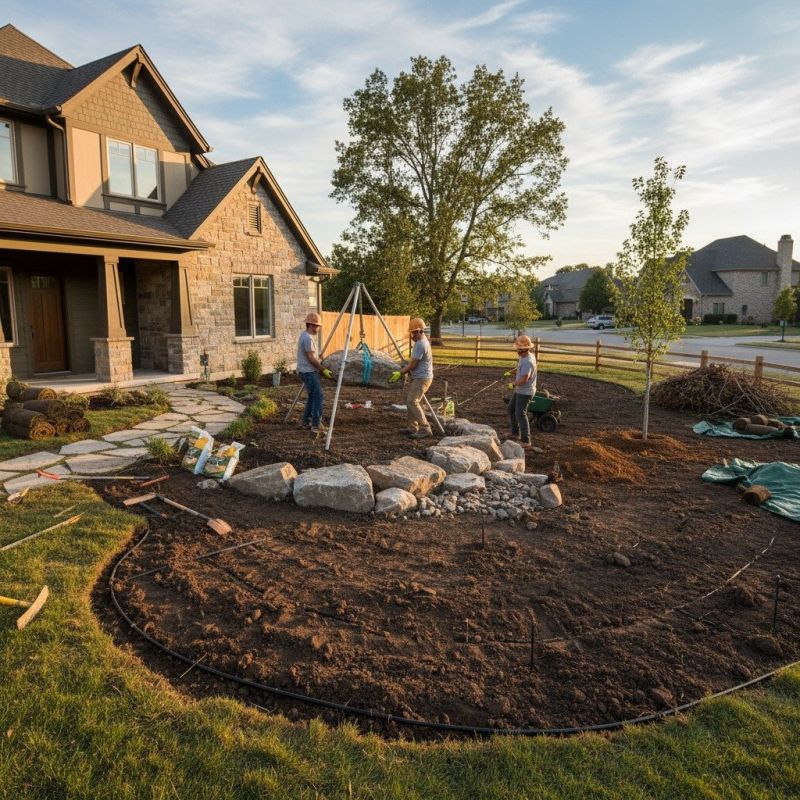
Industrial landscaping services are often needed for maintaining large commercial or industrial property grounds. Property owners may seek these services to ensure that outdoor areas remain functional, safe, and visually appealing. Whether it's trimming overgrown vegetation, managing weed control, or maintaining paved surfaces, local contractors can handle a variety of routine landscaping tasks that support the operational needs of industrial sites.
In addition, property owners might look for industrial landscaping to improve the overall appearance of their facilities or to meet local regulations for property upkeep. Proper landscaping can also help in controlling erosion, managing stormwater runoff, and creating safer environments around industrial equipment or storage areas. Local service providers are available to assist with these everyday project situations, helping property owners keep their grounds well-maintained and compliant.
What types of industrial landscaping services are available? Local contractors offer a range of services including site clearing, grading, planting, irrigation installation, and ongoing maintenance to support industrial facilities.
How can industrial landscaping improve a facility’s operational efficiency? Professional landscaping can enhance safety, optimize drainage, and create functional outdoor spaces that support workflow and equipment access.
Are there specific considerations for landscaping around industrial equipment? Yes, local service providers can design landscapes that prevent interference with equipment, ensure proper drainage, and meet safety standards.
What maintenance tasks are typically involved in industrial landscaping? Maintenance may include lawn care, pruning, weed control, irrigation system checks, and debris removal to keep the site functional and safe.
How do local contractors handle landscaping on large industrial sites? They often use specialized equipment and planning to efficiently manage large-scale projects, ensuring minimal disruption to ongoing operations.
Lawn and Plant Bed Maintenance - Property owners can keep outdoor spaces tidy and attractive by hiring local contractors to trim, weed, and maintain lawns and plant beds regularly.
Hardscape Installation and Repair - Installing or repairing walkways, patios, and other hardscape features can improve accessibility and curb appeal for residential or commercial properties.
Landscape Design Planning - Property owners can work with local service providers to develop landscape plans that enhance the functionality and aesthetics of outdoor areas.
Irrigation System Setup - Setting up or upgrading irrigation systems helps ensure gardens and lawns receive proper watering, supporting healthy growth and reducing manual effort.
If you are thinking about Industrial Landscaping Service for a property, this guide is meant to help you understand the work, the typical project types, and how different options might fit your plans.
When you are ready, you can use the quote form on this page to share a few details about your project. From there, local pros can review the basics and respond with options that match what you have in mind.